
Blog, Cannabis Clones, Cultivation Techniques
13
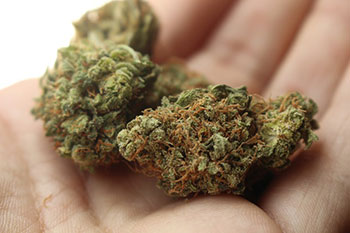
Choosing the right cannabis clones is an important consideration for growers looking for healthy plants, consistent genetics, and strong yield potential. While some cannabis cultivars are recognized for their THC content, others are valued for their growth characteristics, flower production, and overall genetic stability.
For Canadian growers, selecting high-yield cannabis clones involves more than looking at advertised harvest figures. Genetic quality, plant health, clone maturity, environmental suitability, and supplier reliability all influence the final outcome.
Cannabis clones provide an established starting point because they originate from a mother plant. This allows growers to select known genetics rather than relying entirely on the variation associated with seed-grown plants.
In this guide, we explain what makes cannabis clones high-yield, how to evaluate clone quality, what to consider when choosing genetics, and how Canadian growers can make informed purchasing decisions.
What Are High-Yield Cannabis Clones?
High-yield cannabis clones are cuttings taken from mother plants belonging to cultivars associated with substantial flower production.
Unlike seeds, clones are genetically derived from an existing plant. This means they generally retain the genetic characteristics of the source plant, although environmental conditions can influence their development.
High-yield genetics are commonly associated with characteristics such as:
- Vigorous plant growth
- Consistent genetic traits
- Productive flower development
- Established cultivar identity
- Desirable flower characteristics
- Healthy root development
However, high-yield potential does not guarantee a specific harvest weight. Actual results vary depending on genetics, plant health, environmental conditions, and other factors.
Why Genetics Matter When Choosing Cannabis Clones
Genetics establish many of the characteristics associated with a cannabis cultivar.
These include plant structure, flowering characteristics, cannabinoid potential, aroma, and other inherited traits.
When selecting cannabis clones, genetic consistency is particularly important because it helps reduce uncertainty about the cultivar’s identity.
Genetic Consistency
A clone taken from a verified mother plant carries essentially the same genetic makeup.
This makes clones useful for maintaining selected characteristics across plants.
Known Cultivar Characteristics
With properly identified genetics, buyers can research a cultivar’s established characteristics before purchasing.
This provides a more informed starting point than relying on an unidentified plant.
Yield Potential
Some genetic lines are recognized for substantial flower production. However, the genetic reputation of a cultivar should not be confused with a guaranteed yield.
Plant Health
Even desirable genetics cannot compensate for poor plant health. Healthy starting material is an important consideration when evaluating any cannabis clone.
What to Look for When Buying High-Yield Cannabis Clones in Canada
Choosing quality cannabis clones requires evaluating more than the strain description.
Here are the important factors to consider before purchasing.
1. Healthy Root Development
Root development is one of the most important indicators of an established clone.
Healthy roots support the plant’s ability to establish itself and maintain normal development.
When reviewing clone listings, look for clear product information and photographs that accurately represent the plants being offered.
2. Verified Genetics
A reliable supplier should provide clear information about cultivar identity.
This helps buyers understand what they are purchasing and reduces confusion between similarly named cannabis varieties.
3. Plant Health and Quality
Healthy clones should be free from obvious signs of pests, disease, and significant physical damage.
Supplier transparency about plant-health inspections is also worth considering.
4. Consistent Mother Plant Selection
Clones originate from mother plants, so the quality and identification of the source plant matter.
A supplier that maintains clearly identified genetics provides greater transparency about the origin of its clones.
5. Shipping and Packaging
Live plants require appropriate handling during transportation.
Before ordering cannabis clones online in Canada, review:
- Shipping coverage
- Packaging information
- Delivery expectations
- Customer support
- Damaged-arrival policies
- Plant survival or arrival guarantees
These details help buyers understand what to expect when ordering live plants.
Cannabis Clones vs. Seeds: Which Offers More Consistency?
Cannabis clones and seeds provide different starting points.
| Factor | Cannabis Clones | Cannabis Seeds |
| Genetic origin | Derived from a mother plant | Produced through reproduction |
| Genetic consistency | Generally more consistent with source plant | Can show genetic variation |
| Starting stage | Cutting or rooted young plant | Seed |
| Cultivar identity | Depends on accurate identification | Depends on seed genetics and source |
| Yield guarantee | No guaranteed yield | No guaranteed yield |
| Main consideration | Source plant and clone health | Seed genetics and variation |
For people interested in maintaining specific genetic characteristics, clones provide a more direct connection to the selected mother plant.
However, neither seeds nor clones guarantee a particular harvest outcome.
What Affects Cannabis Yield Potential?
Cannabis yield is influenced by multiple biological and environmental factors.
Understanding these factors helps explain why two plants with similar genetics may produce different results.
Genetic Characteristics
Genetics influence the plant’s inherent growth and flower-development characteristics.
Some cultivars are traditionally associated with substantial flower production, while others are recognized for different characteristics.
Plant Health
Healthy starting material is an important part of overall plant quality.
Poor health, pests, and disease can affect plant development.
Environmental Conditions
Temperature, humidity, light availability, and other environmental variables influence plant development.
The suitability of a cultivar for a particular environment is an important consideration.
Cultivar Characteristics
Different cannabis varieties have different growth structures, flowering durations, and flower characteristics.
Understanding these differences is more useful than relying only on generalized yield claims.
Indoor vs. Outdoor Cannabis Clones in Canada
Canadian growers face different environmental conditions depending on their location and growing environment.
Indoor and outdoor cultivation also involve different considerations.
Indoor Growing Considerations
Indoor environments offer greater control over surrounding conditions, but available space and environmental management remain important considerations.
When comparing clones, consider the cultivar’s documented characteristics and whether they suit your intended environment.
Outdoor Growing Considerations
Outdoor growing in Canada requires attention to regional climate and seasonal conditions.
Relevant considerations include:
- Local growing season
- Regional temperature patterns
- Seasonal rainfall
- Flowering duration
- Environmental suitability
- Applicable local cultivation rules
A cultivar’s yield reputation alone does not establish whether it is suitable for every Canadian region.
Why Rooted Cannabis Clones Are Popular
Rooted cannabis clones provide an established starting point and are popular among buyers looking for known genetics.
Some of their commonly recognized advantages include:
Established Starting Material
Rooted clones have already developed beyond the initial cutting stage.
Genetic Familiarity
Clones from verified mother plants provide a more consistent genetic starting point.
Reduced Seed Variation
Unlike seed-grown plants, clones do not introduce the same degree of genetic variation associated with sexual reproduction.
Clearer Cultivar Selection
Buyers can research a specific cultivar’s known characteristics before choosing a clone.
These advantages make rooted clones a relevant option for people who value genetic consistency and established plant material.
Common Mistakes to Avoid When Buying Cannabis Clones
Choosing Only by Advertised Yield
Promotional yield figures are not guaranteed outcomes. Look for realistic product information instead of relying on unsupported claims.
Ignoring Genetic Identity
A strain name without reliable identification can create uncertainty about what the buyer is receiving.
Overlooking Plant Health
Root development, visible plant condition, and supplier quality information deserve attention.
Ignoring Shipping Policies
Live plant shipping involves different considerations from ordinary packaged products.
Review the supplier’s policies before placing an order.
Assuming All Clones Are Identical in Performance
Clones share genetic characteristics, but individual plants can still develop differently.
Frequently Asked Questions
1. What are the best high-yield cannabis clones in Canada?
The best choice depends on the buyer’s preferred genetics, plant characteristics, and growing environment. Rather than relying only on advertised yield figures, evaluate genetic identity, plant health, root development, and supplier transparency.
2. Do cannabis clones produce higher yields than seeds?
Not automatically. Clones can offer greater genetic consistency because they originate from a selected mother plant, but actual yield depends on several factors. A clone does not inherently guarantee a larger harvest than a seed-grown plant.
3. What makes a cannabis clone high-quality?
A quality clone should have clearly identified genetics, healthy roots, good overall plant condition, and no obvious signs of pests or disease. Supplier transparency is also important.
4. Are rooted cannabis clones better than unrooted cuttings?
Rooted clones have already developed roots, providing an established starting point. However, the quality of the roots and overall plant health remain important.
5. Can cannabis clones have different yields despite identical genetics?
Yes. Although clones share essentially the same genetic makeup, environmental conditions and individual plant development can influence the final outcome.
6. What should Canadian growers consider before buying cannabis clones?
Consider the source of genetics, plant health, shipping policies, local climate, and applicable provincial and municipal regulations.
7. Can I buy cannabis clones online in Canada?
Availability depends on the supplier and applicable regulations. Buyers should verify the seller’s current shipping coverage, product information, and local legal requirements.
8. Do high-yield cannabis clones always have high THC?
No. Yield potential and THC concentration are separate characteristics. A cultivar associated with substantial flower production is not automatically a high-THC cultivar.
9. Why is genetic consistency important in cannabis clones?
Genetic consistency helps maintain the characteristics of a selected mother plant. This makes clones useful for buyers interested in known cultivar identity.
10. How many cannabis plants can adults legally grow in Canada?
Federal law generally allows adults of legal age to grow up to four cannabis plants per household, subject to provincial, territorial, and municipal restrictions. Buyers should verify the current rules applicable to their location.
Final Thoughts: Choosing Quality High-Yield Cannabis Clones in Canada
Finding suitable high-yield cannabis clones involves more than selecting a popular strain or comparing advertised harvest figures.
Genetic consistency, healthy roots, verified cultivar identity, plant condition, and supplier transparency are all important considerations.
For Canadian buyers researching rooted cannabis clones, Healthy Cannabis Clones provides information about its available genetics, plant quality, discreet packaging, and shipping policies.