
Blog, Cannabis Clones, Cultivation Techniques
18
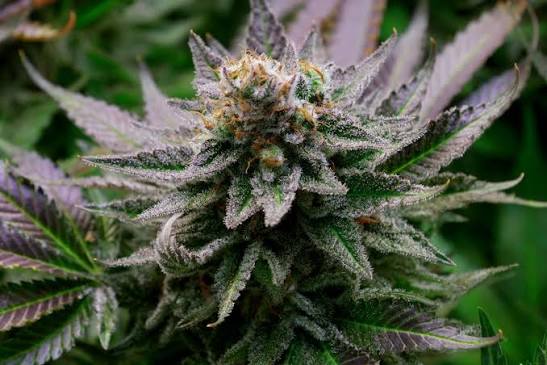
Buying a cannabis clone can give growers a head start compared with starting from seed. Instead of waiting for germination and early seedling development, a rooted clone arrives as an established young plant with genetics already selected.
But not every cannabis clone is worth buying.
A clone can have desirable genetics and still arrive weak, stressed, poorly rooted, or affected by pests or plant-health problems. Choosing the right source and knowing what to inspect before purchasing can make a significant difference to the start of your grow.
If you are searching for healthy cannabis clones in Canada, this guide explains what to look for, what questions to ask a supplier, how to evaluate a clone before buying, and what to check when your plant arrives.
Important: Cannabis cultivation and possession are subject to federal, provincial, territorial, and municipal rules in Canada. Before purchasing or growing cannabis plants, verify the current laws and restrictions that apply to your location. Health Canada advises consumers to obtain seeds or immature flowering plants from legal sources. Health Canada
What Is a Cannabis Clone?
A cannabis clone is a young plant produced from a cutting taken from a mature mother plant. The cutting is encouraged to develop roots and becomes a genetically consistent copy of the plant from which it was taken.
This is one of the main reasons growers choose clones.
Rather than beginning with a seed, you can start with an established plant that already has a root system and known genetic characteristics.
A properly maintained rooted clone can offer:
- A head start compared with germinating seeds
- Consistent genetics
- An established root system
- A more predictable starting point
- The opportunity to select a known cultivar
- Less time spent in the seedling stage
However, genetics alone do not determine clone quality. The health of the mother plant, propagation practices, sanitation, rooting process, storage, and shipping conditions all matter.
Why Clone Health Matters
When you purchase a live plant, you are not simply buying genetics. You are buying a living starting point for your garden.
A healthy clone should be capable of continuing active growth after it has adjusted to its new environment.
A poor-quality clone may have problems such as:
- Weak or damaged stems
- Poor root development
- Pest infestation
- Leaf damage
- Mould or fungal growth
- Excessive stress
- Unusual discolouration
- Poor propagation practices
Starting with a weak plant does not automatically mean the grow will fail, but it can create additional challenges during establishment.
That is why clone health should be one of the first things you evaluate—not an afterthought.
10 Things to Look for When Buying Healthy Cannabis Clones
1. Look for Strong, Healthy Growth
Start with the overall appearance of the clone.
A healthy-looking plant should generally have a sturdy structure and active growth rather than appearing severely wilted, damaged, or neglected.
Look at:
- Stem strength
- New growth
- Leaf condition
- Overall plant structure
- Signs of stress
- General vigour
Some minor stress can occur when plants are handled or transported, so appearance should be considered together with the plant’s growing conditions and recent shipping history.
However, obvious and unexplained damage is a reason to ask questions before purchasing.
What should concern you?
Be cautious if you notice:
- Extensive yellowing
- Severe wilting
- Large areas of leaf damage
- Dead or deteriorating tissue
- Weak or broken stems
- Unusual spots
- Evidence of insects or webbing
A supplier should be able to explain how the plants are maintained and inspected before shipping.
2. Check the Root Development
The visible part of a clone is only half the story.
A strong root system gives a young plant the foundation it needs to establish itself after transplanting. If you are buying rooted cannabis clones, ask whether the plant is fully rooted before it is shipped.
You can ask the supplier:
- Are the clones fully rooted?
- How long are they allowed to establish before shipping?
- What rooting medium is used?
- Are roots inspected before shipping?
- How are the plants protected during transportation?
If photographs of the root system are available, review them carefully.
Do not assume that a clone is well rooted simply because a product page says “rooted.” Look for specific information about how the plants are propagated and prepared for shipment.
3. Examine the Leaves for Signs of Problems
Leaves can provide useful clues about a plant’s condition.
When evaluating a cannabis clone, look for foliage that appears reasonably healthy for the plant’s age and growing environment.
Be cautious of unexplained:
- Brown or dead patches
- Heavy yellowing
- Curling
- Speckling
- Distorted new growth
- Powdery-looking areas
- Extensive physical damage
Keep in mind that individual symptoms can have multiple causes. For example, leaf discolouration may be related to environmental stress rather than disease.
Therefore, you should not diagnose a plant based on one symptom alone.
Instead, ask the supplier about the plant’s growing conditions and whether the mother plants and clones are routinely inspected.
4. Check for Pests
Pests are one of the biggest concerns when purchasing live plants.
A clone can look attractive in a photograph while still carrying insects or other unwanted organisms that are difficult to notice without a close inspection.
Depending on the pest, signs can include:
- Tiny insects on leaves or stems
- Fine webbing
- Speckled or stippled foliage
- Sticky residue
- Distorted new growth
- Visible eggs or larvae
Ask the supplier whether clones are inspected or screened before shipping.
A supplier that takes plant hygiene seriously should be able to explain its inspection and sanitation practices.
It is also worth remembering that “pest-free” should not be treated as a permanent guarantee. A live plant can be exposed to new environmental conditions after leaving the nursery or propagation facility.
5. Ask About Plant Disease and HLVd Screening
Plant health goes beyond visible pests.
One issue that has received significant attention in cannabis cultivation is Hop Latent Viroid (HLVd), sometimes associated with symptoms commonly referred to as “dudding.”
This is important because a plant may not always show obvious problems at the time you purchase it.
When evaluating a cannabis clone supplier, ask:
- Are mother plants tested?
- Are clones tested?
- What testing method is used?
- How frequently is testing performed?
- Is testing conducted internally or by an independent laboratory?
- Can the supplier provide information about its testing program?
A supplier’s testing claims should be understood in context. Testing frequency, sample selection, laboratory methodology, and the scope of testing can all affect what a test program actually demonstrates.
The broader lesson is simple:
Do not judge clone health entirely by appearance. Ask about the health-management practices behind the plants.
6. Verify the Genetics
Healthy plants are important, but genetics matter too.
When buying cannabis clones, make sure you understand exactly what cultivar you are purchasing.
A reputable supplier should provide useful information about the genetics rather than simply giving you a strain name.
Depending on the cultivar, information may include:
- Cultivar or strain name
- Genetic background
- Expected growth characteristics
- Flowering characteristics
- Aroma and terpene profile
- Typical structure
- Expected size
- Cultivation considerations
Remember that a clone is genetically derived from its mother plant, but the plant’s eventual performance is still influenced by environmental conditions and cultivation practices.
Why genetic consistency matters
If you are purchasing several clones, genetic consistency can help you create a more predictable garden.
That is particularly useful when you want plants with similar characteristics rather than starting several plants from seed and potentially seeing greater variation.
7. Research the Mother Plants
A quality clone starts with a quality mother plant.
The mother plant provides the cutting from which the clone is produced, so the health and management of mother plants are important parts of the propagation process.
Before buying, find out:
- How mother plants are selected
- How long mothers are maintained
- Whether mother plants are regularly inspected
- How sanitation is handled
- Whether plants are monitored for pests
- Whether disease testing is part of the program
- How often new mother plants are introduced
A supplier that openly explains its propagation process gives you more information to evaluate than a seller that only lists strain names and prices.
8. Evaluate the Supplier’s Shipping Practices
Even an excellent clone can experience stress during transportation.
Live plants need appropriate handling, packaging, and delivery procedures.
Before ordering, look for clear information about:
- Shipping days
- Packaging
- Expected delivery time
- Weather considerations
- Plant protection
- Damage procedures
- Arrive-alive policies
- Customer support
This is particularly important when buying cannabis clones online in Canada, where transportation conditions can vary considerably.
A transparent shipping policy helps you understand what happens if a plant arrives damaged or significantly stressed.
9. Read Customer Reviews Carefully
Customer reviews can provide useful information, but do not rely only on the overall star rating.
Read the actual reviews and look for repeated comments about:
- Clone health on arrival
- Root development
- Packaging quality
- Shipping experience
- Accuracy of genetics
- Customer service
- How problems were handled
Look for detailed reviews rather than relying entirely on short comments such as “great” or “fast shipping.”
A pattern across multiple customer experiences can tell you more than one isolated review.
10. Make Sure the Supplier Is Appropriate for Your Location
Before buying any cannabis plant, confirm that the purchase and cultivation are permitted where you live.
Health Canada states that home cannabis cultivation is subject to federal requirements as well as applicable provincial, territorial, and municipal rules. Local requirements can include restrictions related to zoning, fire safety, electrical safety, and other matters.
Health Canada also advises consumers to obtain cannabis seeds or immature flowering plants from legal sources.
Therefore, don’t assume that a website shipping across Canada automatically means every purchase is permitted in every location.
Check the rules that apply to your province, territory, municipality, rental agreement, or other applicable circumstances before ordering.
How to Inspect a Cannabis Clone Before Buying
If photographs or product information are available, use a simple inspection checklist.
Above the soil or growing medium
Look for:
- Healthy-looking leaves
- Active new growth
- Strong stems
- No obvious pest activity
- No unexplained mould
- No extensive leaf damage
- No severe wilting
Around the root zone
Look for:
- Evidence of established roots
- Appropriate moisture
- No obvious root deterioration
- A stable growing medium
- A plant that has been properly rooted before shipment
From the supplier
Ask about:
- Mother plant health
- Pest inspection
- Disease testing
- Genetics
- Propagation methods
- Shipping procedures
- Replacement or arrival policies
This approach gives you a much more complete picture than judging a clone by a product photograph alone.
Questions to Ask Before Buying Cannabis Clones Online
If you are unsure about a supplier, ask direct questions before placing an order.
Plant health
Are the clones fully rooted before shipping?
How are clones inspected for pests?
How are mother plants maintained?
Genetics
Are the clones strain-verified?
Where do the genetics come from?
Can you provide information about the cultivar?
Testing
Are mother plants or clones tested for HLVd?
How frequently is testing performed?
Is testing performed by an independent laboratory?
Shipping
How are the clones packaged?
Which days do you ship live plants?
What happens if a plant arrives damaged?
Legal and location considerations
Do you ship to my province or territory?
You should still independently verify whether possession, purchase, and cultivation are permitted under the rules applicable to your location.
Healthy Cannabis Clones vs. Unhealthy Clones
| What to Check | Signs to Look For |
| Leaves | Healthy-looking foliage with no major unexplained damage |
| Stems | Firm, intact, and appropriately developed |
| Roots | Established and healthy-looking |
| Pests | No obvious insects, webbing, or pest damage |
| Disease | No obvious mould or unexplained severe symptoms |
| Genetics | Clear cultivar information |
| Mother plants | Information about maintenance and health |
| Testing | Transparent information about relevant testing |
| Packaging | Designed specifically for live plants |
| Supplier | Clear policies and responsive customer service |
No single characteristic proves that a clone is healthy. Consider the complete picture.
What to Do When Your Clone Arrives
Your responsibility does not end when the package arrives.
Live plants can experience stress during transportation, so inspect your clone soon after delivery.
Check:
- The leaves
- The stems
- The growing medium
- The visible root area, if accessible
- The packaging
- Any signs of pests or mould
- Any physical damage
If the plant appears significantly different from the condition represented by the supplier or arrives damaged, document the condition with photographs and contact the supplier according to its stated policy.
Avoid making multiple major changes immediately. Give the plant an appropriate environment and monitor how it responds as it settles.
Healthy Cannabis Clones currently states that its clones are fully rooted and inspected before shipping and offers an arrive-alive guarantee for plants that arrive damaged or in poor condition. These are company-stated policies, so buyers should review the current terms before ordering.
Common Mistakes When Buying Cannabis Clones
Choosing Only by Price
Price should not be the only factor.
A cheaper clone may not provide good value if it arrives poorly rooted or requires significant effort to recover.
Consider the complete offering:
Plant health + genetics + rooting + testing practices + packaging + customer support
rather than price alone.
Choosing a Strain Without Considering Your Setup
A popular cultivar is not automatically the right cultivar for your environment.
Think about:
- Available space
- Indoor or outdoor conditions
- Lighting
- Temperature
- Humidity
- Container space
- Your cultivation experience
Choose genetics that make sense for your particular setup.
Ignoring the Root System
A clone can look healthy above the growing medium while still having weak roots.
When possible, learn how the supplier roots its clones and how long plants are allowed to establish before shipment.
Trusting Marketing Claims Without Asking Questions
Words such as “premium,” “healthy,” “verified,” and “pest-free” are useful only when you understand what the supplier means by them.
Ask for specifics.
For example, instead of simply asking whether clones are “tested,” ask:
What are they tested for, how often, and by whom?
That gives you much more useful information.
Forgetting About Shipping
Live plants are different from ordinary products.
Always review shipping procedures and the supplier’s policy for damaged or stressed plants before placing an order.
Why Rooted Cannabis Clones Can Be a Useful Starting Point
One of the main reasons growers choose rooted clones is that they skip the earliest stage of plant development.
Instead of starting with a seed, a rooted clone has already gone through propagation and rooting.
That can make the starting process more straightforward, particularly for growers who already know what genetics they want.
Healthy Cannabis Clones describes its products as rooted, strain-verified cuttings produced from maintained mother plants. The company also states that it focuses on root development, plant health, and inspection before shipping.
As with any supplier claim, prospective buyers should review the current product information and policies themselves before purchasing.
A Simple Checklist for Buying Healthy Cannabis Clones
Before placing your order, ask yourself:
Plant Health
- Does the clone look vigorous?
- Are the leaves reasonably healthy?
- Is the stem strong?
- Are there signs of pests?
- Are there signs of mould or disease?
Roots
- Is the clone fully rooted?
- Does the supplier explain its rooting process?
- Is the root system established?
Genetics
- Is the cultivar clearly identified?
- Is there useful genetic information?
- Does the cultivar suit your growing environment?
Supplier
- Does the supplier explain how mother plants are maintained?
- Are plants inspected before shipping?
- Is relevant testing information available?
- Are customer reviews available?
Shipping
- Is the plant packaged for live transport?
- Are shipping expectations clear?
- Is there an arrive-alive or replacement policy?
Legal Considerations
- Is the purchase permitted where you live?
- Have you checked current provincial, territorial, and municipal requirements?
- Are you purchasing from an appropriate legal source?
If you can answer these questions confidently, you are in a much better position to make an informed purchase.
Frequently Asked Questions
How can I tell if a cannabis clone is healthy?
Look for healthy-looking foliage, strong stems, established roots, active growth, and an absence of obvious pest activity, mould, or significant unexplained damage. You should also ask the supplier about mother-plant management, sanitation, and relevant testing.
Should I buy rooted cannabis clones?
Rooted clones can provide an established starting point compared with unrooted cuttings or seeds. Before buying, confirm that the plants are genuinely established and learn how the supplier handles propagation and shipping.
What should I look for in cannabis clone roots?
Look for an established, healthy-looking root system appropriate for the plant’s size. Avoid relying only on the appearance of leaves because root development is an important part of successful establishment.
How important are cannabis clone genetics?
Genetics are important because a clone is derived from a mother plant and is intended to maintain its genetic characteristics. However, genetics do not guarantee a particular result. Environment, cultivation practices, plant health, and other factors also affect plant performance.
Should I ask a cannabis clone supplier about HLVd?
Yes. HLVd is one of the plant-health concerns that cannabis growers may want to discuss with a supplier. Ask what testing is performed, what is tested, how frequently testing occurs, and whether an independent laboratory is involved.
Can a healthy clone become stressed during shipping?
Yes. Transportation can expose a live plant to handling and environmental changes. That is why packaging, shipping procedures, delivery time, and an appropriate arrival policy are important when selecting an online supplier.
What should I check before buying cannabis clones in Canada?
Check the plant’s health, root development, genetics, mother-plant practices, pest and disease management, testing information, shipping procedures, customer reviews, and the supplier’s policies. Also verify the cannabis rules that apply to your province, territory, and municipality.
Final Thoughts
Choosing a healthy cannabis clone is about much more than finding an attractive strain.
Before you buy, look at the plant, roots, genetics, mother plants, testing practices, supplier reputation, packaging, and shipping policies. Asking the right questions can help you avoid purchasing a plant that arrives with problems that could have been identified earlier.
For Canadian growers, legal requirements should also be part of the buying process. Health Canada recommends obtaining cannabis seeds or immature flowering plants from legal sources and following applicable federal, provincial, territorial, and municipal requirements.
Healthy Cannabis Clones focuses on rooted, strain-verified clones and states that its plants are inspected before shipping, with information available about its propagation, testing, shipping, and arrive-alive policies.
If you’re researching cannabis clones in Canada, take the time to evaluate the supplier rather than choosing based only on price or strain popularity. Starting with a healthy, properly rooted plant and reliable genetics can give you a more informed and confident beginning to your grow.
Always verify the current laws and supplier policies before placing an order.